1. Levy System:
Employers pay a levy into HRD Corp. The rate is generally 1% of the monthly wages (basic + fixed allowances) for companies with 10 or more Malaysian employees.
For companies with 5–9 Malaysian employees, there’s an option to register voluntarily, and the rate is 0.5%.
2. Purpose / Mission:
3. How Funds Are Used:
4. Legal & Coverage:
. The HRD Levy is a mandatory monthly contribution imposed on certain employers by HRD Corp (formerly HRDF).
. Its purpose is to build a fund that supports training, upskilling, and development of Malaysian workers.
. The levy is collected under the Pembangunan Sumber Manusia Berhad Act 2001 (PSMB Act).
. Companies with 10 or more Malaysian employees: They must register with HRD Corp, and pay a 1% levy on the eligible payroll.
. Companies with 5–9 Malaysian employees: They have the option to register, and if they do, they pay a 0.5% levy.
. The levy is based on monthly wages, but not all types of pay are included.
. Included in the base for calculation:
. Basic salary.
. Fixed allowances (housing allowance, long-service, leave pay, etc.).
Excluded:
. Bonuses, commissions.
. Overtime, shift allowances, travel allowances.
Formula:
. Levy = (Basic Salary + Fixed Allowances) × Applicable Rate
(e.g., for a 1% rate)
Payment, Compliance & Penalties:
. Employers must pay the levy by the 15th of the following month.
f they delay or default on payment:
. They may be fined (up to RM 20,000) or face imprisonment (up to 2 years) in some cases.
. They pay interest on the outstanding levy (10% per year on the delayed amount).
. Payment is usually made via HRD Corp’s authorized collection agents (such as certain banks) using specific forms.
- When employers pay the levy, they become eligible for training grants from HRD Corp.
- These grants can help subsidize training costs for their employees, especially for upskilling / reskilling programs.
- Employers need to apply before sending employees for training; then after completion, they can claim back approved expenses (up to the approved limit).
While the levy contributions are intended to be used for the upskilling of employees, many employers do not take full advantage of these HRDF funds. To ensure employers actively invest in their employees' training, HRD Corp has implemented a levy forfeiture policy. If an employer does not make any HRDF claims against the fund within a specific time frame, the unused levy will be forfeited. To avoid losing these HRDF funds, businesses must stay informed about their HRDF payment schedules and HRDF claim processes.

Elevate Your Team with 2D1N & 3D2N Team Building in Malaysia
Looking to strengthen teamwork, boost morale, and create unforgettable shared experiences? Malaysia offers the perfect backdrop for powerful team-building retreats—whether you prefer jungle adventures, island escapes, or modern urban challenges.
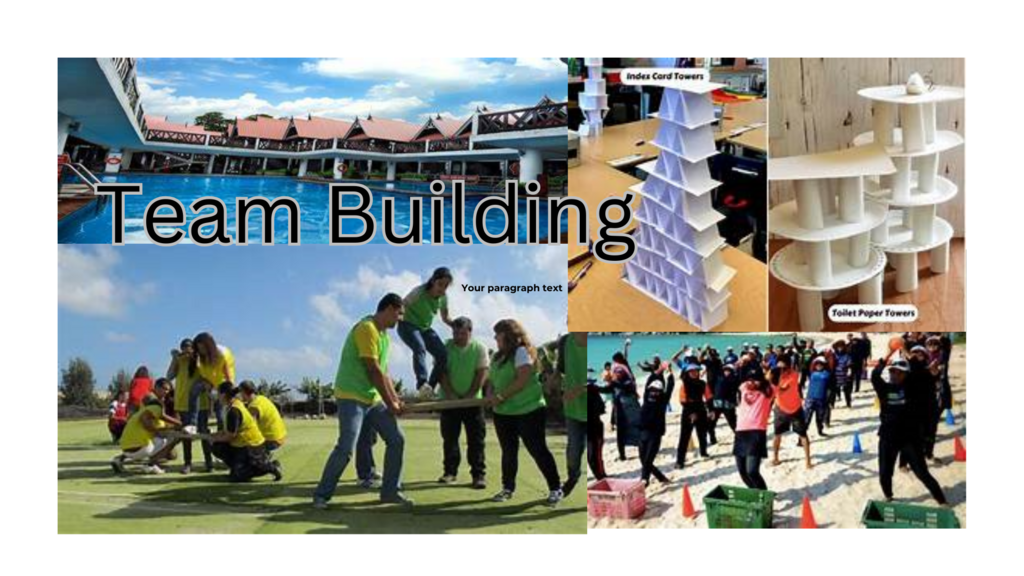
Why Choose a Team Building Retreat?
A dedicated team-building getaway allows your staff to Break down communication barriers
Strengthen problem solving & collaboration
Recharge mentally and emotionally. Build trust and leadership skills
Celebrate achievements and set new goals
When you take your team out of the office and into an inspiring environment, you create space for connection, creativity, and growth.

Master Excel with Our Practical Short Courses
In today’s fast-paced workplace, Excel is more than just a spreadsheet tool—it’s a critical skill that can boost productivity, improve decision-making, and help you stay competitive in any industry. Our short courses are designed to equip participants with everything they need to know, from essential foundations to advanced, real-world applications.

Truck Mechanic & Automotive Maintenance Course
Prepare for a high-demand, hands-on career in the commercial vehicle industry.
Our Truck Mechanic Automotive Course is designed to equip learners with the technical knowledge and practical skills needed to diagnose, service, and repair heavy vehicles, including lorries, trucks, buses, and other commercial transport machinery. This course is ideal for those who want a stable, well-paying career in the automotive and logistics sector.
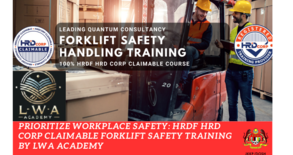
This is an in depth course on manual and mechanical forklift handling which is designed to increased safety, motivation and productivity that helps protect personnel, loads and equipment. It delivers a thorough understanding on safety management and procedures in compliance with the Occupational Safety & Health Act 1994 (OSHA, Act 514).
Customer Service Training – Build Teams That Deliver Exceptional Experiences
Customer service is the backbone of every successful business. Whether your company operates in retail, hospitality, logistics, banking, healthcare, or online services, your frontline staff define the customer’s perception of your brand. Our Customer Service Training equips participants with the skills, behaviours, and confidence needed to create positive, memorable customer experiences—consistently.
Why Customer Service Training Matters
Great customer service is no longer optional. Today’s customers expect fast responses, clear communication, empathy, and problem-solving. When your staff master these skills, your business gains: